Most vacations mean people take a break from their everyday life. Vacations can be great for health as well, by eliminating the daily stress from working 8-10 hrs, commuting, and having stressful responsibilities. They leave their routines at home and go away to have some fun. It’s great to get away and not think about work, but it may not be so great if you’re trying to stick with some daily habits. You’ll want to attempt to workout on vacation to keep your muscles limber and your blood flowing.
One of the most popular routines is a full-body workout. It can be difficult to keep up with this routine while you’re away for various reasons such as lack of equipment and training facilities. No matter the reason why you think you can’t get it done, here are a few tips to help see that you do.
Engaging in regular exercise with an intense workout is not only beneficial for your physical well-being but also for your mental health.
It has been proven to alleviate stress, enhance concentration, and promote better sleep. Nonetheless, it’s common to prioritize other tasks over fitness. It’s understandable to experience reduced motivation during colder weather or when preoccupied with various thoughts. However, there will always be excuses to postpone exercise.
The key lies in discovering enjoyable workout routines that will keep you coming back for more.
To assist you with this, I share some insightful ideas on how to make your workouts more effective and enjoyable, ensuring your long-term commitment.
Cholesterol and its role in our body is not something most people think about regularly, but it should be. High cholesterol can lead to cardiovascular disease, the leading cause of death in the United States today. Project Swole readers like to exercise, so let’s ask the question, ‘does exercise lower cholesterol?‘
If you want to know how to lower your cholesterol with exercise, here are some great workouts that can help you start dropping those dangerous fats today! Let us know what you think about these suggestions in the comments.
Which is the best practice, to exercise before, or after, a bath or shower? Should I do both, others may need to shower or bathe before or after, but ideally, showering/bathing before and after a workout is the best choice.
Nevertheless, if you can only fit in one of the two, I recommend showering/bathing afterward because that keeps you smelling and feeling fresh for the rest of the day.
There are several considerations when deciding whether to take a bath or shower before or after your workout. Today, we will discuss the advantages and disadvantages of each so you can figure out what works best for you. Let’s start with the exercise before a bath! Read along!
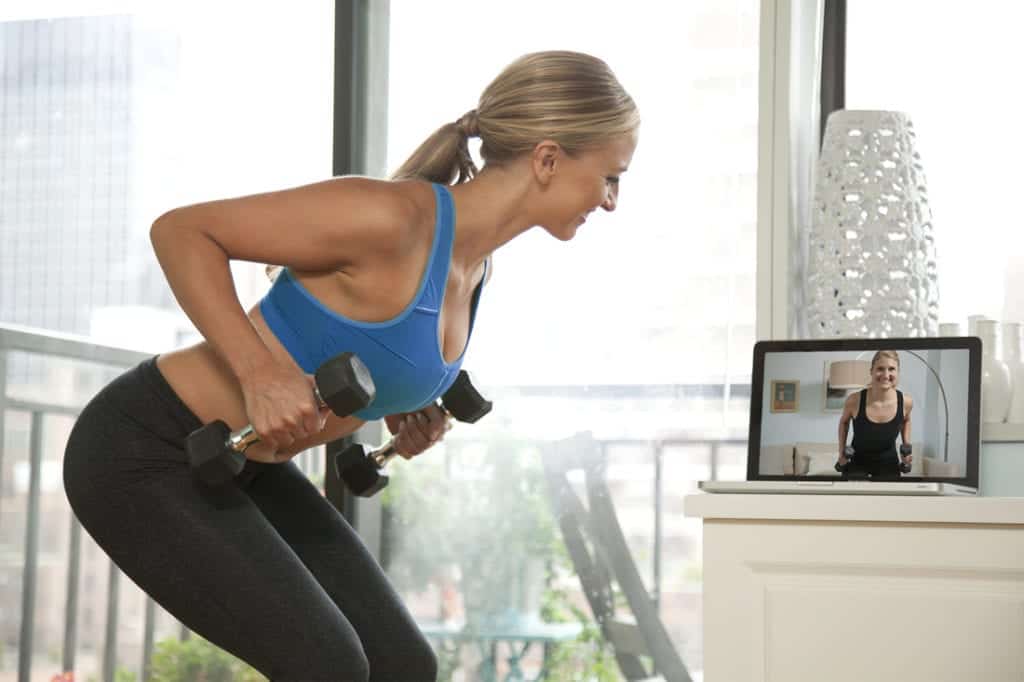
What exactly are online fitness classes, and how do they operate? These live and on-demand exercise classes also allow you to watch workout videos whenever it is convenient for you, rather than having to plan your day around a specific fitness class.
Since the pandemic, online live and on-demand exercise classes have grown in popularity. With all of the lockdowns that occur from time to time, this is by far the safest way to stay fit while still reaping the health benefits of exercising in the comfort of your own home.
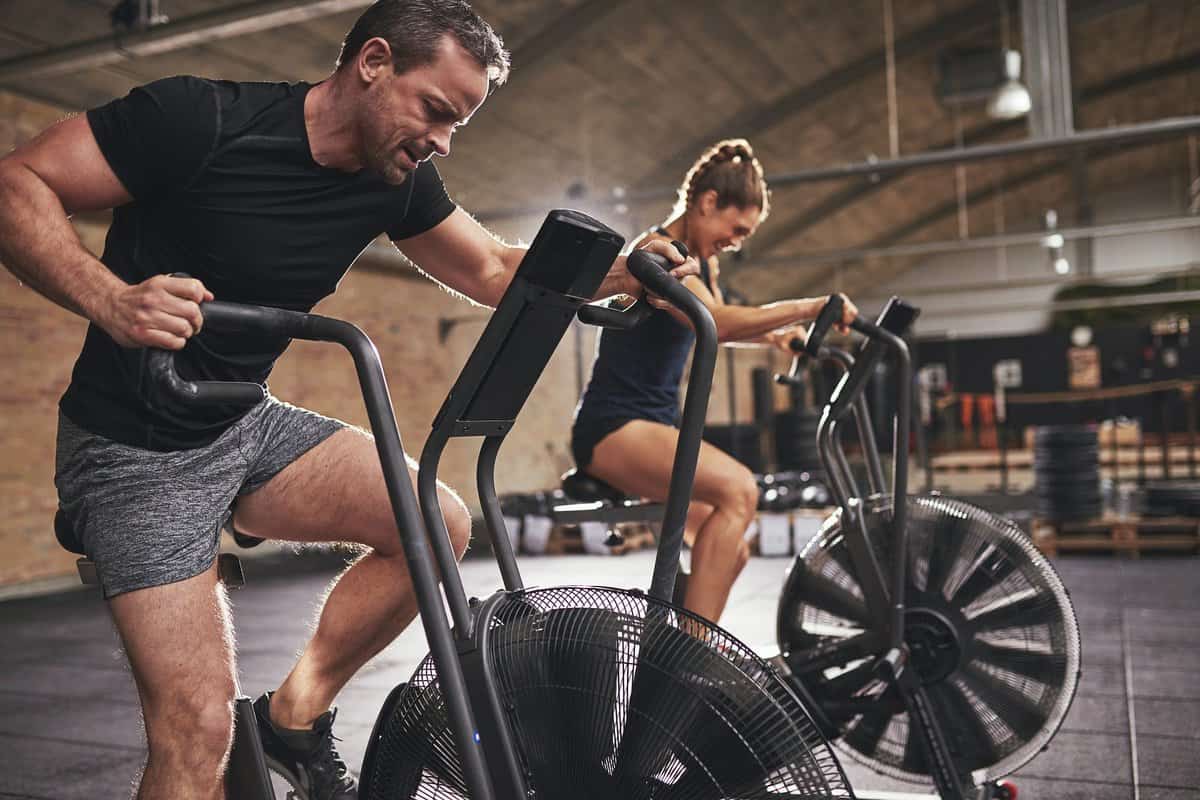
High-Intensity Interval Training, often represented by the acronym HIIT, is really a big deal. HIIT training is the ideal and most effective replacement for underachieving endurance cardio. High-intensity interval training has been regarded for years now as one of the best ways to burn calories and maintain muscle mass while encouraging a long-lasting metabolic effect post-workout.
As a matter of fact, in studies, HIIT is 9x more effective at burning fat than endurance cardio.
More often than not, I have talked about HIIT workouts made up only of interval sprints. Today I would like to discuss HIIT training with resistance machines, but not to be confused with High-Intensity Resistance Training, or HIRT, which I will write about shortly.
HIIT Provides the Following Benefits
Burn more calories than endurance cardio
Burn more fat than endurance cardio
Increase power
Increase speed
Increase muscle density
Improve anaerobic endurance
Improve aerobic endurance
Speed up metabolism for more than a day and a half
When you seriously set out to lose belly fat it’s a lot of hard work and requires optimizations to your lifestyle habits. Although regular exercise can trim and tone other parts of the body, for many individuals, an excess stomach can be very stubborn. Fortunately, one of the best types of exercise for losing belly fat is running. There are also some small tweaks that can be made to your regular running regimen to provide a sustained boost of fat burning.
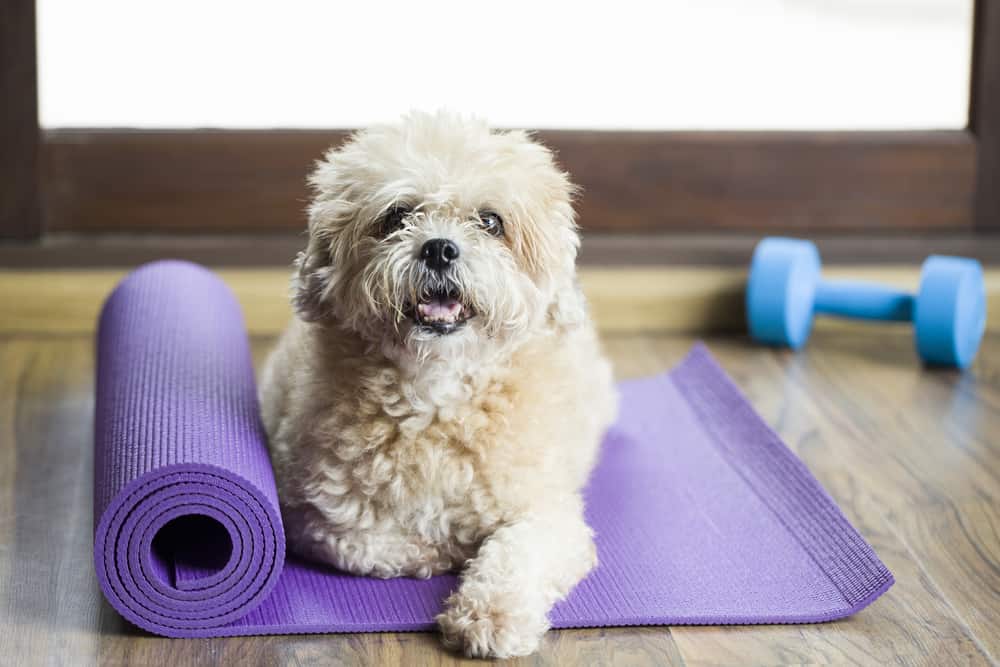
There are a bunch of fun exercises to do with your dog if you’re wondering how to get into shape with your pet. Just like humans, obese dogs are at risk of suffering from heart problems, arthritis, and diabetes. Exercise with your dog to help you both stick to a fitness routine and follow healthier lifestyles.
If you’re thinking, “How can I exercise my dog at home?”, we’ve got you both covered in the sections below.
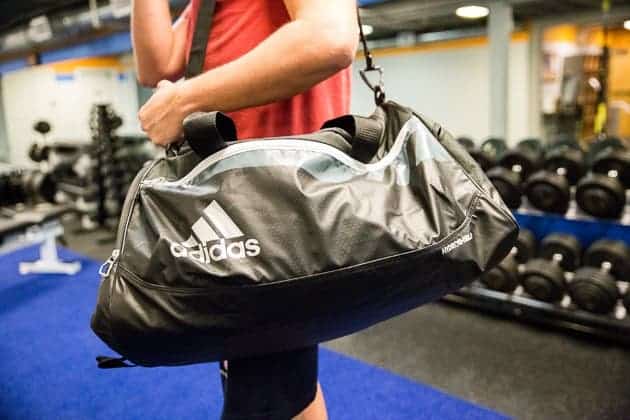
Now that we are coming out of pandemic lockdown, people are starting to return to the gym. Keeping a gym bag packed and ready with oft-used fitness accessories makes it easy to get in a quick workout. Clean clothes, snacks and hydration, and personal hygiene products are vital tools when you’re running to the gym on the quick to squirrel in a workout.
Here are ten things that should always be in your gym bag before you head out the door.
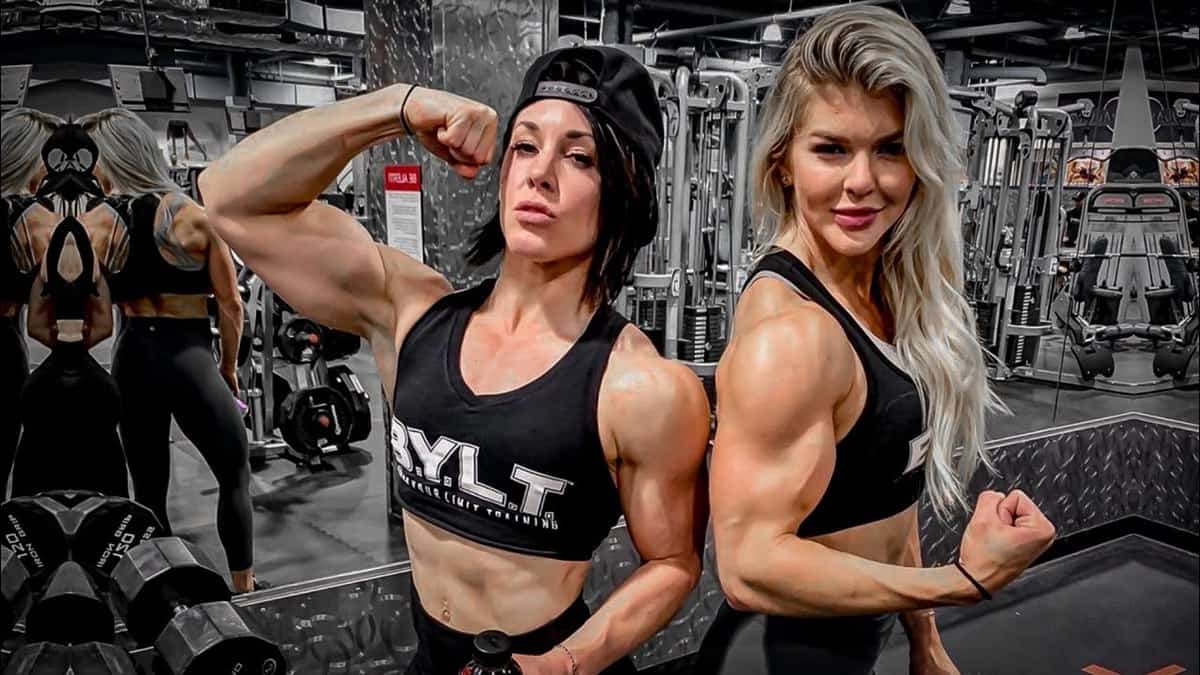
When you can’t go to the gym, you can watch videos on Youtube. Every year, the Youtube community grows, with creators sharing their fitness experiences, ideas, and tactics with their fans in order to inspire them to live better and happier lives. Viewers from all around the world are flocking to Youtube to work out their favorite YouTube Female Fitness Influencers. Fitness superstars with millions of followers are reaching out to audiences all over social media with customized experiences and diet plans.
Check out the top 10 Youtube Female Fitness Influencers that might serve as your personal trainers, online or offline.
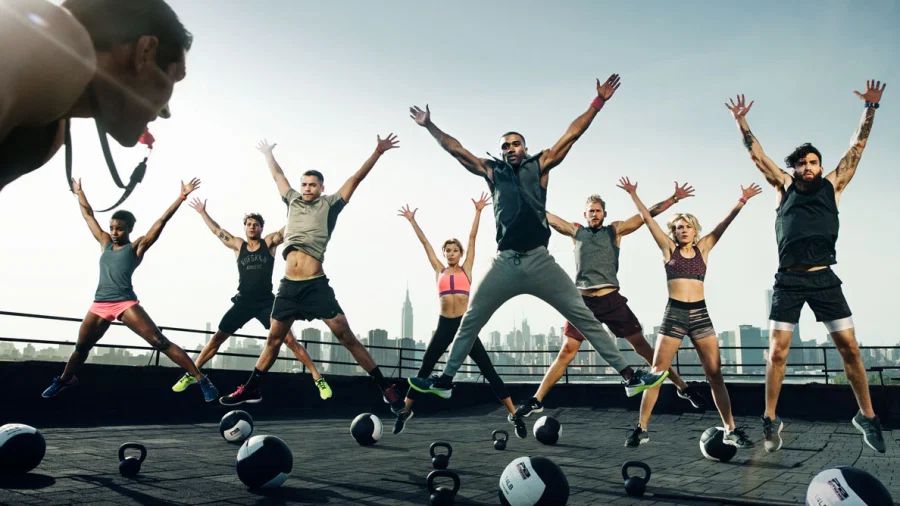
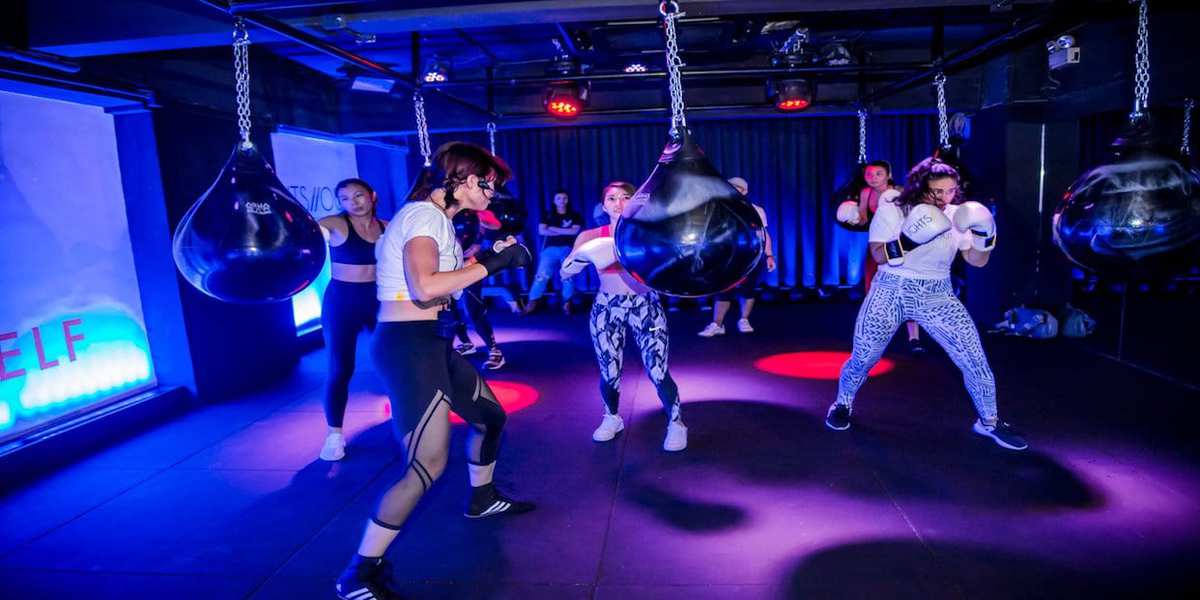
If you are looking for a workout that is challenging and intense, boot camp workouts may just fit the bill. All forms of high-intensity workouts have seen a surge in popularity over the past few years, but boot camp-style programs offer some unique benefits. With many gyms now opening up post-quarantine, group classes are starting to regain their popularity. Boot camp workouts are all the rage right now with group classes since they allow for both strength training and conditioning in a short 40-minute intense workout.
Here are 4 awesome benefits of boot camp workouts over regular commercial gym memberships.
You’ve got certain goals for your body. Whether you are bulking up or getting leaner, you are determined to hit the gym with consistency. However, it is important to understand that the process to boost workout recovery is just as important as the workout itself. If you overdo it, your body starts to deplete its stores of nutrients. This can then lead to decreasing performance and a deteriorating body.
Let’s check out some recovery tips to help boost your recovery.
It can be difficult to garner the motivation to work out. Between finding the time and overcoming the fatigue of day-to-day life, it isn’t hard to understand why committing to a regular exercise routine is so challenging. That said, no challenge is without a solution. Introducing some fun and excitement to the mix could be all you need to help make your routine effective and fruitful. Adding music to your routine is a proven way to elevate your experience and get you on the right track. Given the intense tempo of your typical workout and the righteous beats of disco, we can’t help but think the sounds of disco and workout tempo go together perfectly.
While music is highly subjective and a matter of taste, you may be surprised to learn that certain styles have characteristics that lend themselves to ensuring a fiery workout time and time again. Universally loved for its driving tempos, motivational lyrics, and energetic nature, Disco seems to be tailor-made for cardio, weight training, and more!
The start of a new year is the perfect time to improve yourself. Hitting the treadmill day after day can start to feel tedious and repetitive. This year, try something new to help you stick to your resolution. Of course, you can use a full-body workout routine, you can add HIIT to your daily routine, and you can try 3×5 workouts in 2022, but if you think outside the box you’ll realize there are a ton of other classes you can try.
Yoga, spin, kickboxing, jump rope, and even the hula hoop have conditioning benefits. If you’re ready to get in shape, here are the best workouts to try in 2022.
YouTube is a great resource for free workout videos that anyone with a steady internet connection can use. Of course, it is important to know how to tell whether a video is more likely to help or hurt your workout routine. Below are some red and green flags to look for when trying to find an effective muscle-building workout on YouTube. You could obviously read some of the reviews to gauge the popularity and success, but these tips will help you formulate an initial first impression.
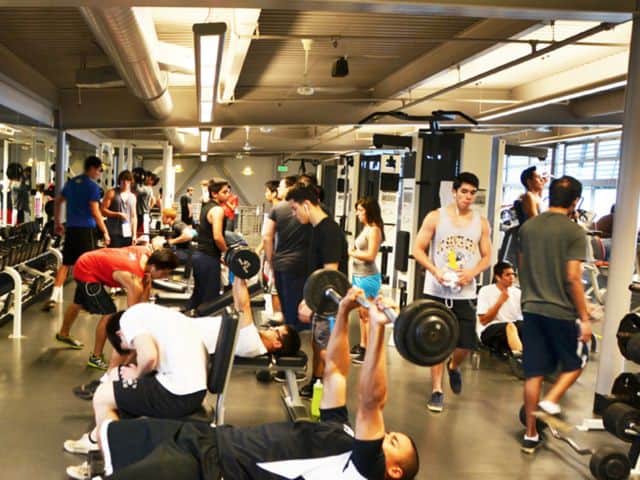
There’s nothing worse than feeling motivated and ready to work out, then going to the gym and finding out it’s crowded. Motivation dives when you see the equipment you were hoping to use all filled, and you may stare out at the crowd wondering where you can squeeze in to get your workout. When you’re trying to workout at a crowded gym, you need to have a plan to get in, get fit, and get out efficiently. Perhaps the frustration gets to you and you leave, feeling dejected and disappointed. A lot of people have been there, and although it seems daunting and disappointing, you can still have a great workout, even if it’s not according to plan.
With the new year coming and resolutions about to hit, you can believe your gym is about to be crowded, so pay attention! Read on for some tips on how to survive the crowded gym and still get your workout in.
This question is often asked by people. Doessocial media motivate or discourage our workouts? The answer to this question stays unclear mostly.
According to researchers, a new study has been found where for some people social media is very helpful when it comes to working out.
For some people, media posts that include images of other people or friends doing workouts motivate them.
People get motivated when they see good working out clothes, or others checking into gyms, and also people sharing their fitness achievements.
The other half does not like or get motivated even though there are hundreds of posts about working out.
It leaves a negative impact on them, and they start feeling bad about their body, as they think to fit in the society or earn the ‘perfect body’ tag is very important.
It’s not surprising that sitting long hours causes some problems for our bodies. The research found that excessive sitting has been linked to type 2 diabetes and heart disease. While this doesn’t guarantee you won’t get heart disease if you work at a desk, sitting is not good for your health.
On top of the medical issues linked to inactivity, people who sit all day and don’t add regular exercise into their lifestyle, tend to suffer from a weak core, high hip flexors, back pain, neck pain, and sometimes wrist pain for those who type excessively. In order to alleviate these problems, it is recommended to participate in 30 minutes of intense exercise at least three times a week along with warm-ups and cool-downs with stretching.
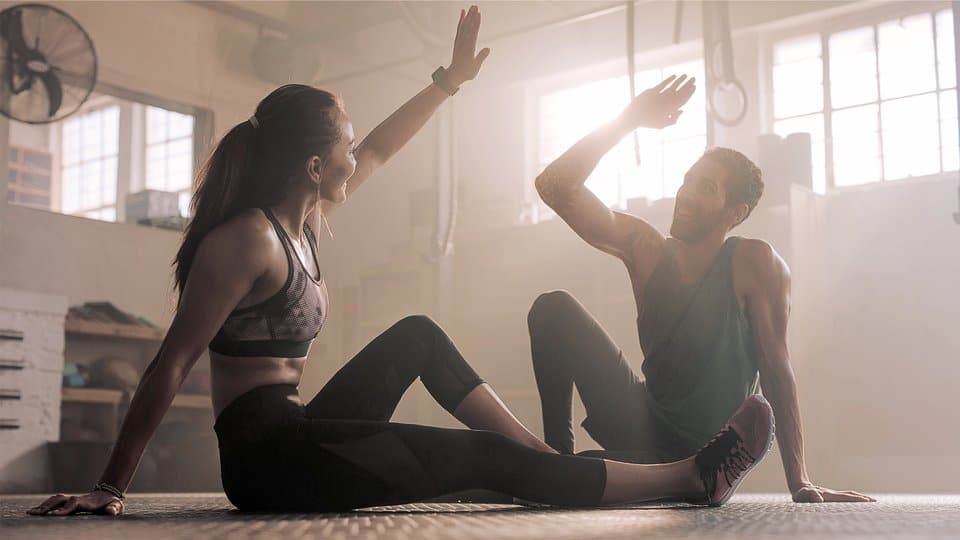
Here are some tips along with a few great exercises you can do at home with minimal weight to help keep your body healthy and functional. As you read this piece, keep in mind it is proven to be beneficial to exercise with others in a group setting to leverage the community for accountability and sometimes even friendly competition.
How often do you find yourself with nothing to do, no one to hang out with, and nothing on TV? When those moments hit do you stop to consider how the benefits of exercising from home can improve your lifestyle?
The truth is that sometimes the best workout plan for us is just sitting around. That’s because when we’re bored at home, our bodies naturally move more than they would if we were completely entertained. And more movement means better health.
This article will help you figure out how to use your downtime as an opportunity to get some exercise. We all know it can be tough getting motivated enough to go outside for a run or head down the gym every day- so why not take advantage of those moments where you have time on your hands?
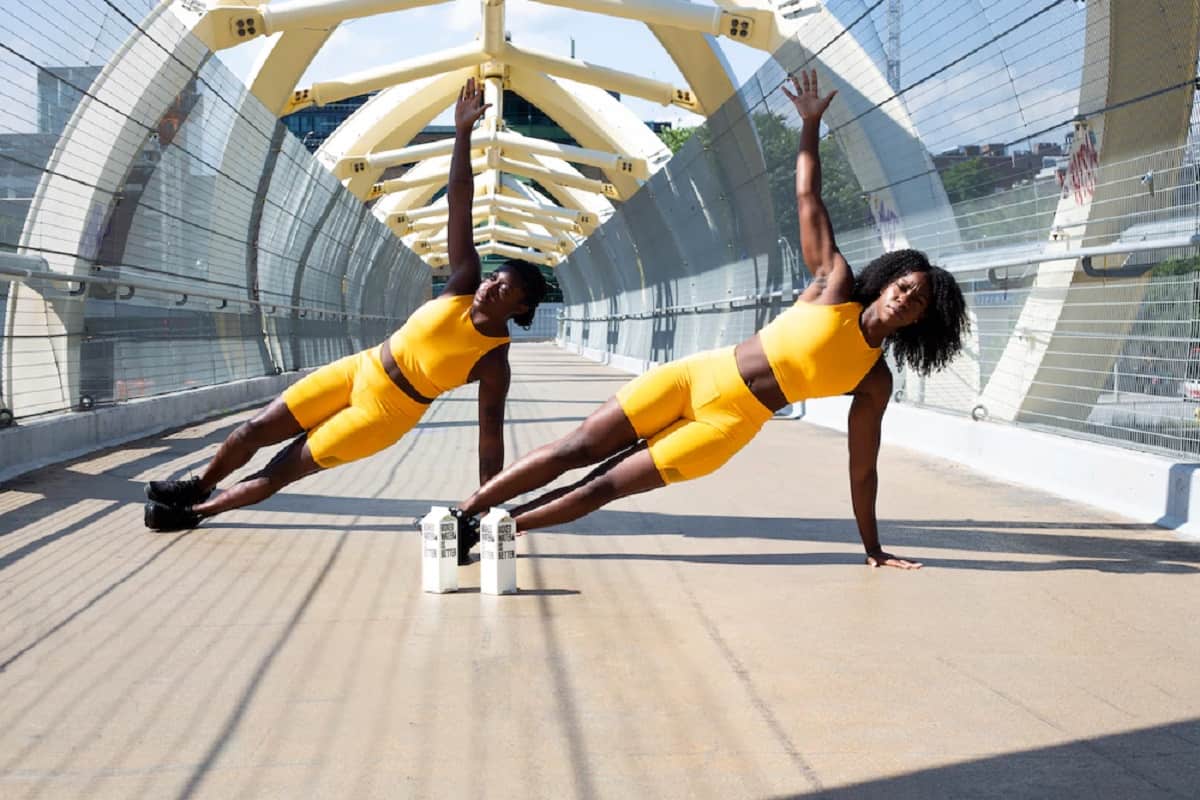
Boot camp workouts can be defined as a mixed bag of intense workouts, including power movements, speed elements, and strength training. There are different styles of boot camp workouts, which can focus on bodyweight exercises and military-style drills. Included in the best boot camp exercises, you can expect some calisthenics like pull-ups, squats, crunches, push-ups, and lunges.










 \
\

