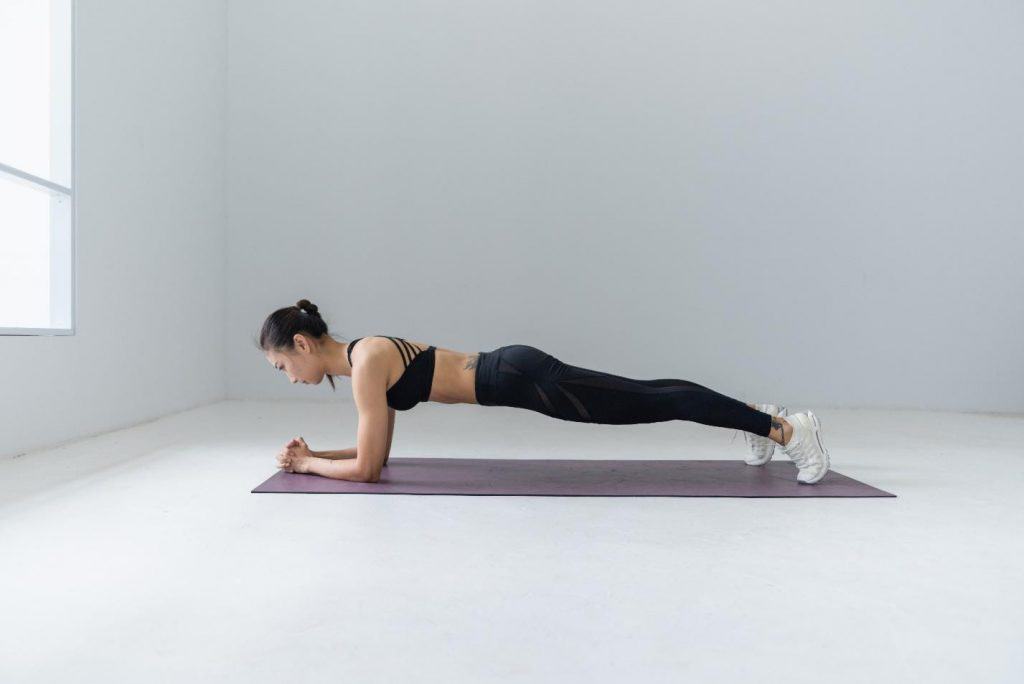
A simple plank is also called a front hold, hover, or abdomen bridge. This isometric exercise strengthens the core, abdominals, back, and shoulders muscles. While performing a plank your body should be straight, your back should not arch, and you should maintain balance with proper form. This is one of the best exercises for core, back, arms, shoulders, and glutes strength. It’s time to put on your best gritty core-training face and follow this simple guide to planking. Let’s begin!
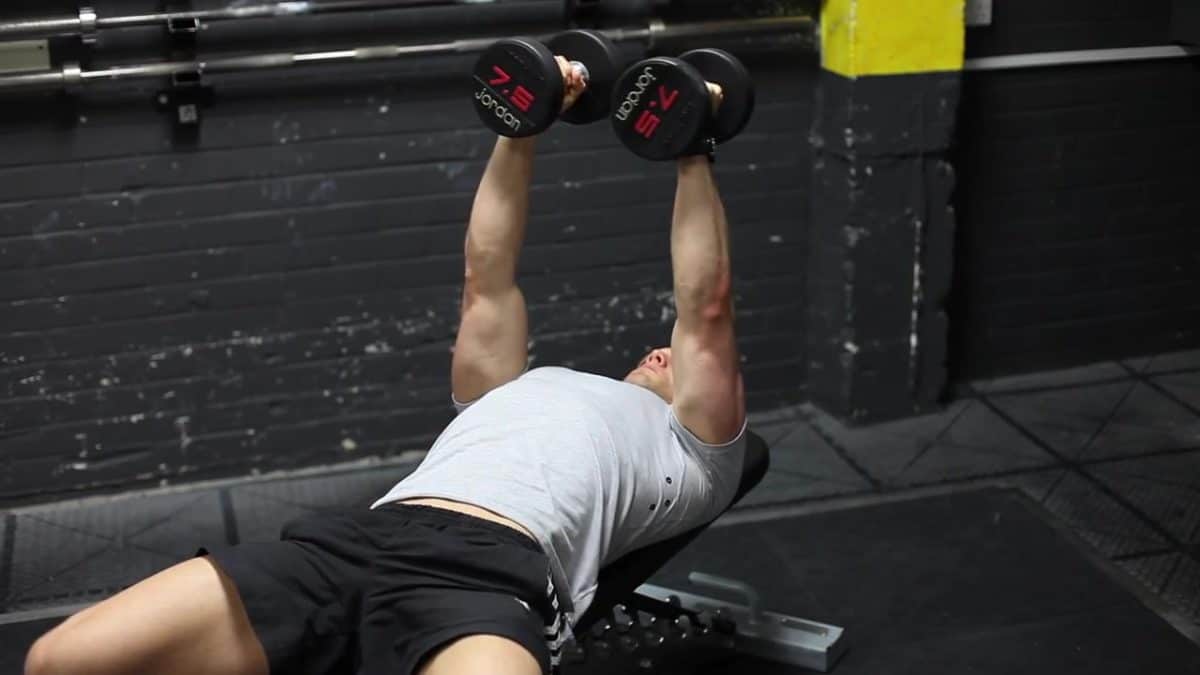
The dumbbell fly is a cornerstone exercise in strength training and bodybuilding, yet its significance often goes unrecognized. Dumbbell flyes play an instrumental role in developing chest muscles, increasing strength, improving posture, and enhancing overall wellness. Our comprehensive guide will delve into the intricacies of the dumbbell fly, shedding light on its profound impact.
We will provide a guide for performing the dumbbell fly and recognizing muscle activation during the exercise. We’ll also explore using this exercise to increase strength or build muscle. Also, look for our tips on incorporating drop sets into your routine to elevate your dumbbell chest fly sessions to new heights.
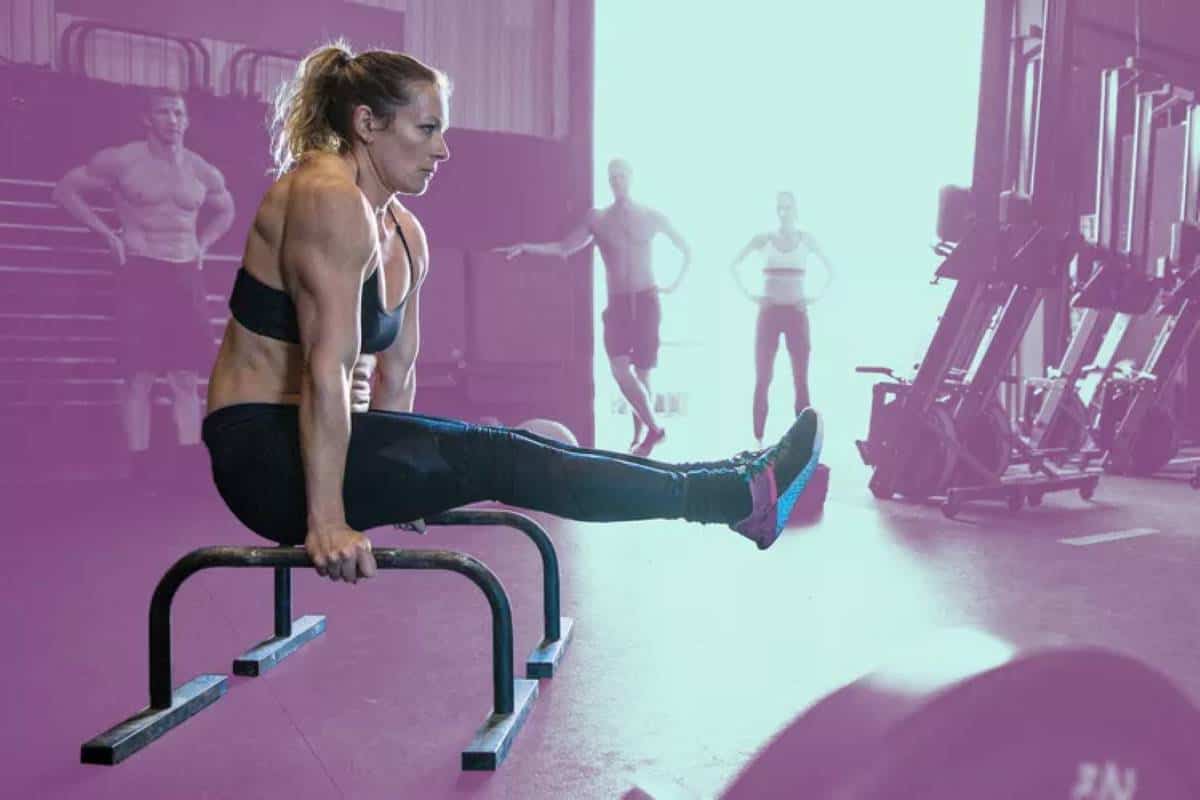
In the pursuit of a healthy and fit lifestyle, women must explore various exercise routines that challenge and empower their bodies. The dip bar is an often overlooked but highly effective tool in workouts for women. Dip bar workouts not only target multiple muscle groups simultaneously but also offer a range of exercises that promote strength, flexibility, and overall fitness.
In this blog post, we will dive into the world of dip bar workouts for women, highlighting their benefits, safety considerations, and a comprehensive guide to various exercises. Whether you’re a beginner or an experienced fitness enthusiast, incorporating dip bar exercises into your routine can help you sculpt your physique, boost your confidence, and elevate your fitness journey to new heights.
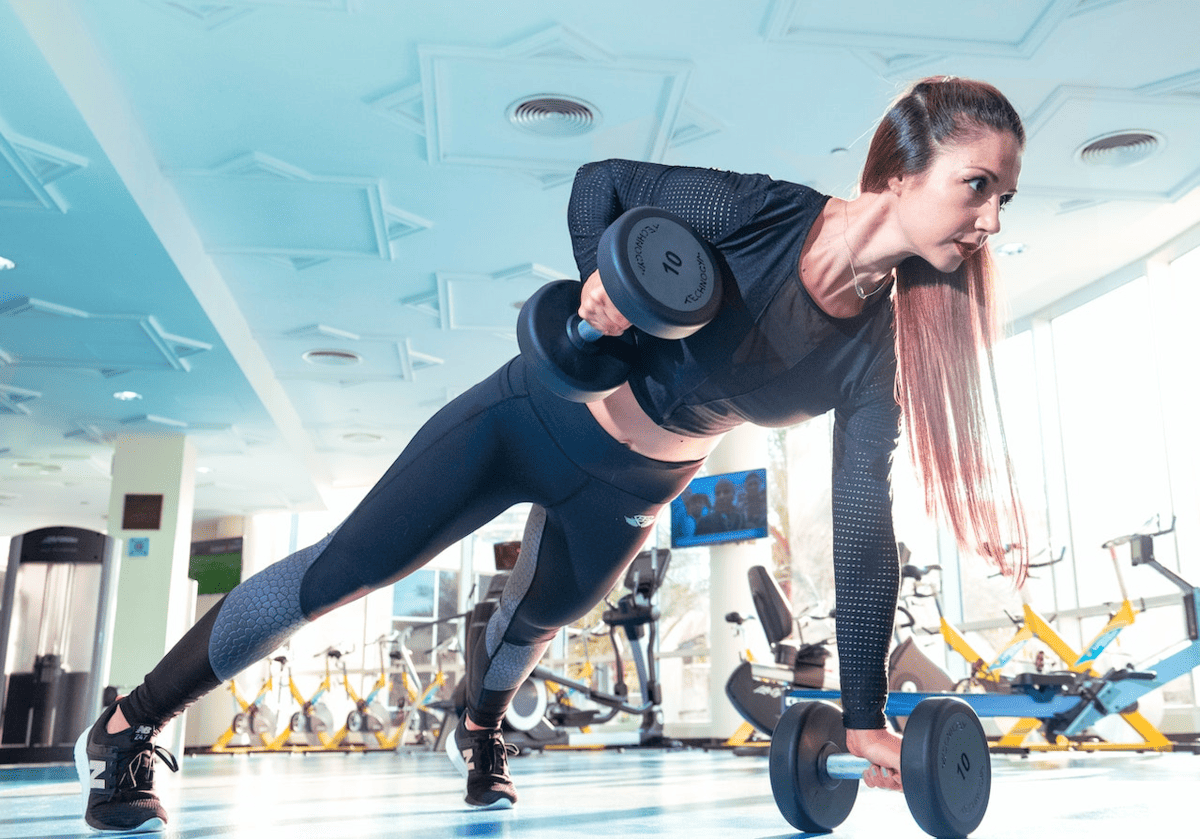
Taking videos during workouts can help you stay motivated, improve your form, gain more muscle mass, and add to your fitness progress. Many people who work out at home or in a gym prefer taking videos of themselves rather than having someone else do it for them. There are several reasons why people choose to take their own workout videos. Some people feel that they don’t want anyone else watching them and judging them; others simply don’t have someone else available to record their workouts for them.
Others find that taking their own videos helps them stay more focused and motivated to continue working out. This is especially true if you’re new to exercising or don’t exercise regularly. Some people even take videos of themselves exercising in order to track their progress over time.
In this article, we will discuss how taking videos can help with fitness progress.
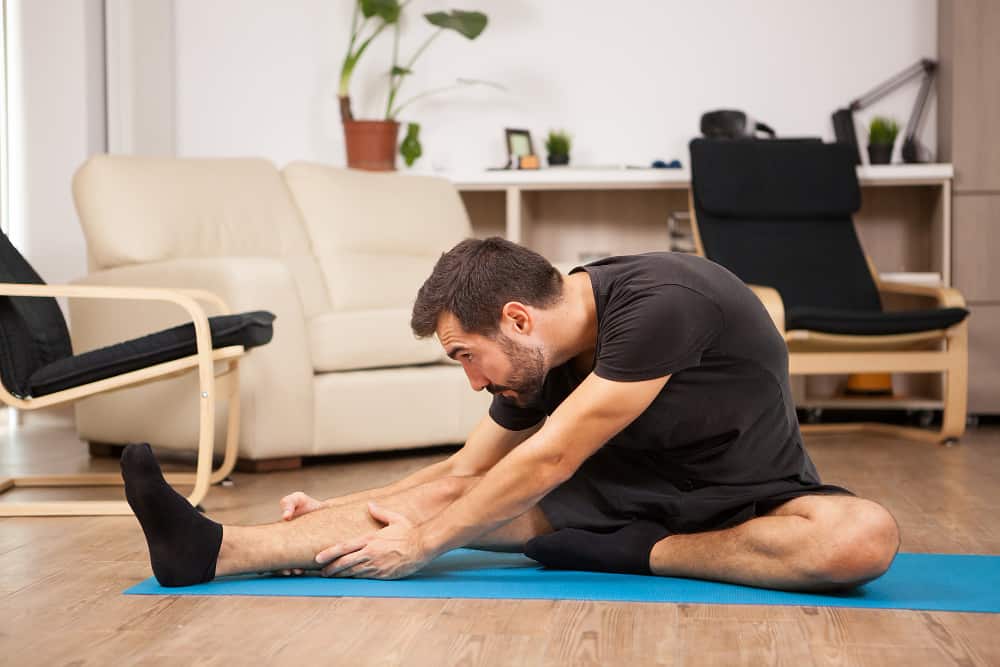
The hamstrings are a big muscle group located in the posterior thigh region of the human body. Many people tend to only perform static stretches on them, which has its benefits, however, you need to incorporate some sort of resistance training like bodyweight hamstring exercises to get them strong and flexible.
Your hamstrings play an essential role in various activities, such as walking, running, and jumping. Bodyweight exercises are an excellent way to strengthen your hamstring muscles without the need for special equipment.
This article will go over the best bodyweight hamstrings exercises and some of their benefits.
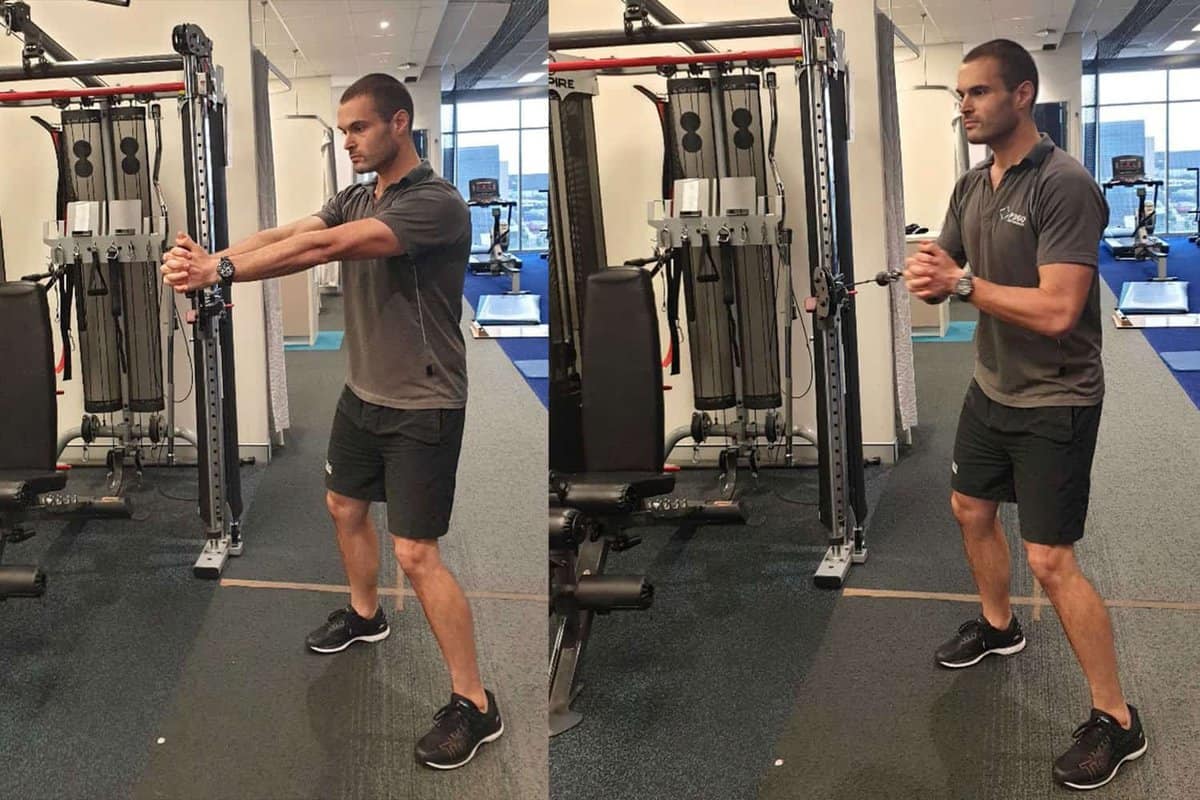
The core performs many important functions, such as energy transfer and stabilization. There are many core exercises that athletes use to make their cores stronger. However, many people who lift as a hobby, and even some professional bodybuilders and athletes, look at the core from a more aesthetic point of view. So, they only do exercises that promise a six-pack rather than highly effective core exercises, such as Anti-rotational Press, which strengthens accessory muscle groups rather than just 6-pack “show muscles”.
One thing to note is that the core is more complex than a six-pack. To optimally maximize core usage, you not only need exercises like crunches and hanging leg raises. You also need to work your inner core; the parts that connect to the lumbar vertebrae (located around the lower back).
This is where core exercises like the anti-rotational press come in. In general, anti-rotational movements work the core by forcing it to stabilize your body regardless of strong resistance from one side. In the process, they work other muscles in your core apart from the rectus abdominis (the six-pack muscles), such as the Erectus spinae, transverse abdominis, and your obliques.
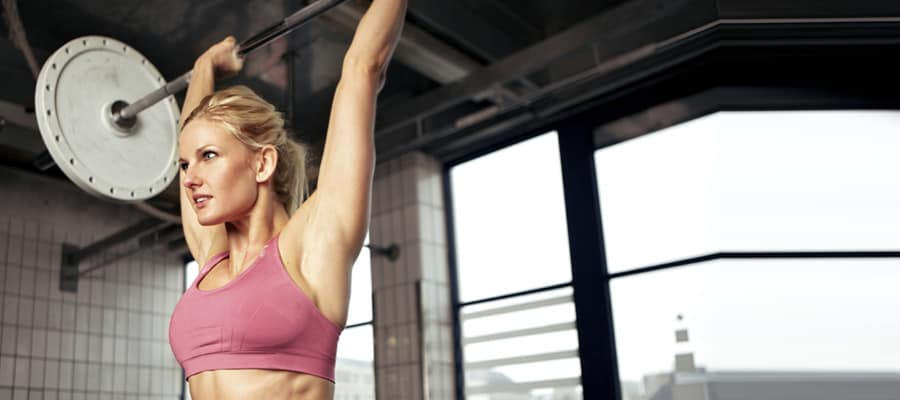
The overhead press; also known as the press, shoulder press, barbell press, and standing press; is often confused with the military press; and is quite possibly the best upper body exercise known to man. Sure, the bench press gets all the glory, but this is only because it is easier to lift more weight benching than pressing.
In many ways, the overhead press is actually more effective than the bench press at building upper body muscle mass. With the overhead press, we are standing up rather than laying down, which already means a better workout for the back, legs, and core. And seriously, massive, powerful shoulders are far more impressive than a puffy chest.
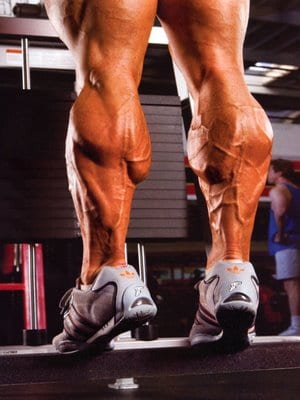
The calves are a serious problem area for most bodybuilders. You can win or lose a contest depending on whether or not you have put some time into building thick slabs of beef on the back of your legs. Women tend to have calf issues as well; many are sporting the dreaded “cankles”. Both sexes often suffer from skinny little twiggy leg syndrome, sometimes known as “bird legs”. What do these folks have in common? They are probably all making the same calf training mistakes day to day, week to week. So how can we fix it?
To build marvelous calves, you have to put time into training them frequently and from a variety of angles. First and foremost, you can’t make the following 6 calf training mistakes and also hope to build world-class wheels. Train your legs right and you will prosper. Make too many mistakes and they will continue to lag.
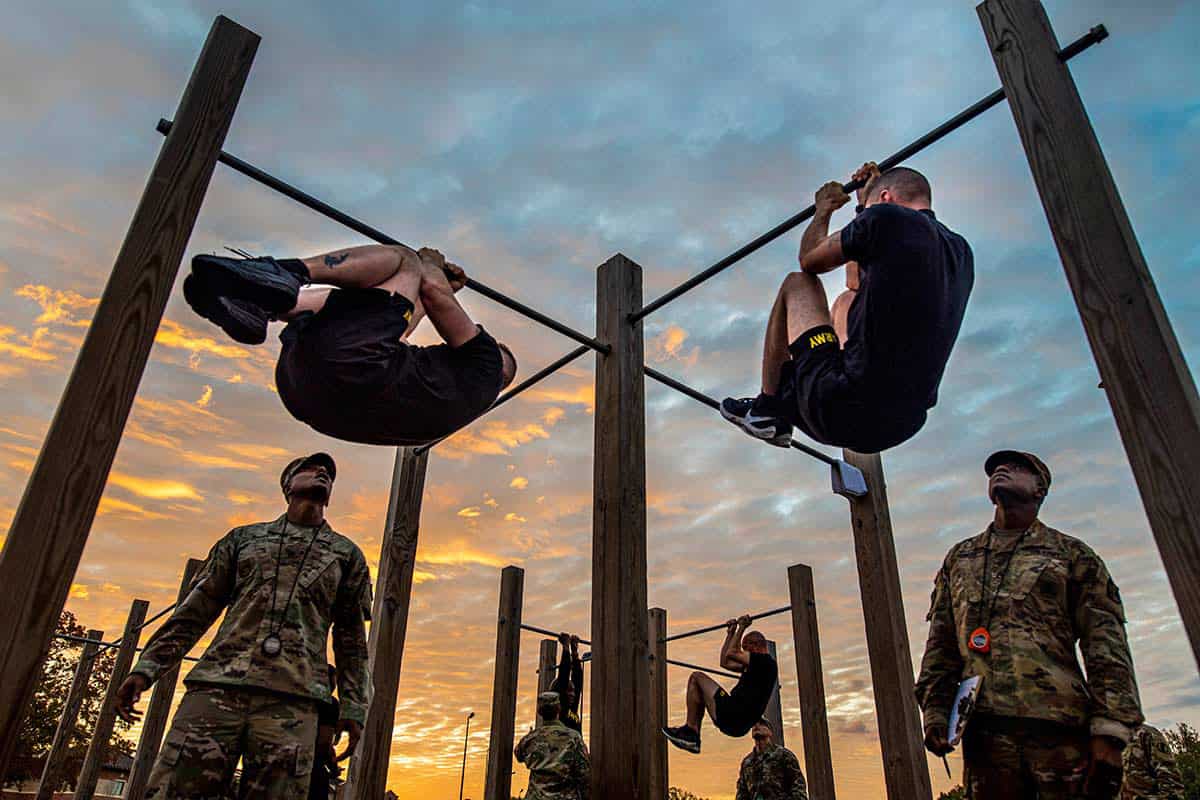
Even if you are not interested in joining the U.S. military, you may want to take the army combat fitness test (ACFT). The infamous army combat fitness test leg tuck is considered the most difficult part of all the ACFT exercises. The Army has replaced this tough exercise with planks, so fewer people fail the ACFT, given nearly half of female soldiers used to fail the test; and quite a few men didn’t fare much better.
This is just one of many changes introduced as part of the latest attempt to make ACFT more comprehensive. As explained on Military.com, the most significant change in ACFT with six events is that it is no longer designed to prepare soldiers for battle but to assess their overall physical fitness. “Standards for men and women in different age groups often lower their chances of selection.”
The original ACFT had the same standards for women and men but a report by Rand Corp, a Congressionally mandated report by a Washington DC-based think tank, reported that “about half of women in the service can’t pass previous testing standards, especially the leg tuck events”. To work around these concerns, the Army swapped leg tucks for planks.
Let’s dissect the leg tuck and figure out how best to train for it, even if just for the fun and challenge of completing a few reps.
Just like you should not skip leg day, you definitely shouldn’t go easy when it comes to your shoulder workout. Not that you need a dedicated “shoulder day” but at least try to hit them from all directions with proper intensity.
Properly building shoulder size and strength makes for a vital part of that lusted-after “V-Shape” body physique. That physique starts with a wide top, and big shoulders make up a wide top.
But despite the importance of training shoulders, they are often done wrong, which makes you vulnerable to injury and a frustrating lack of growth. It is very easy to stumble into a pretty severe injury if you train shoulders wrong.
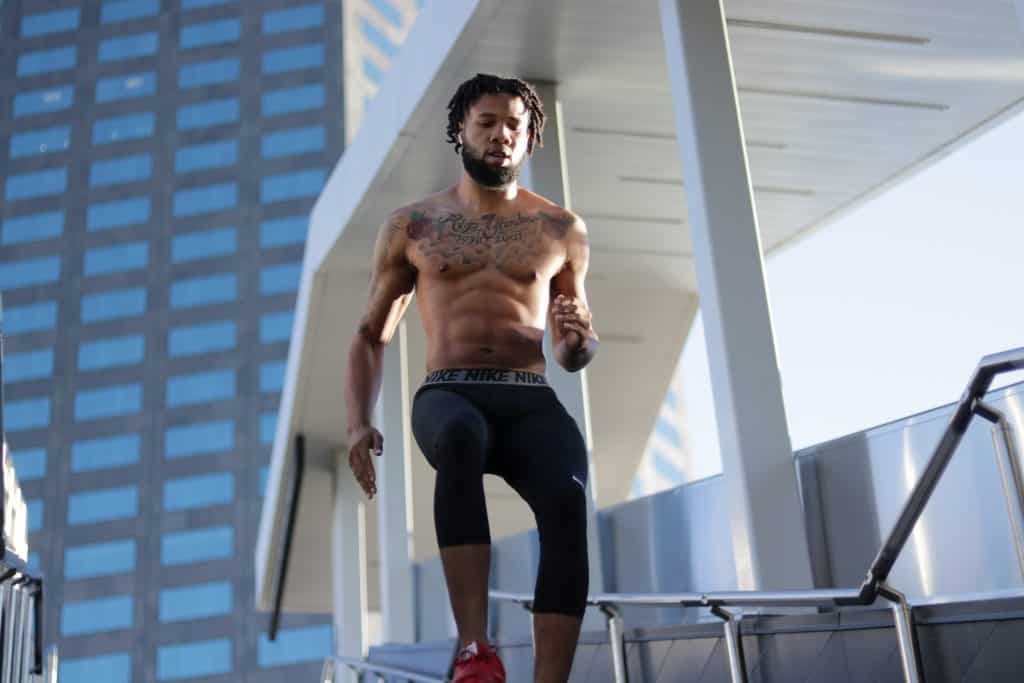
Sprinting is the foundation of High-Intensity Interval Training (HIIT), and will make your legs big, strong, fast, and powerful. Sprints are great for developing endurance, but also for developing lean muscle mass and speed strength. If you want to develop your writing skills you can visit services like thesishelpers.com, but for sprinting these tips will teach you how to sprint faster.
Ever seen a skinny sprinter? I didn’t think so.
Sure, squats are the almighty kings of the Gym Exercise Kingdom; but sprints are like the kings of the Functional Exercise Kingdom whose jacked-up, super-lean army of massive wheels is constantly trying to overthrow the squat as the #1 top leg exercise.
You think you know how to sprint right, but do you?
Are you looking for tough new exercises to mix up your workout routine? If so, look no further. This article contains a list of some intense exercises that will push you to your limit. So, needless to say, these exercises are not for beginners. Without further ado, let’s get started.
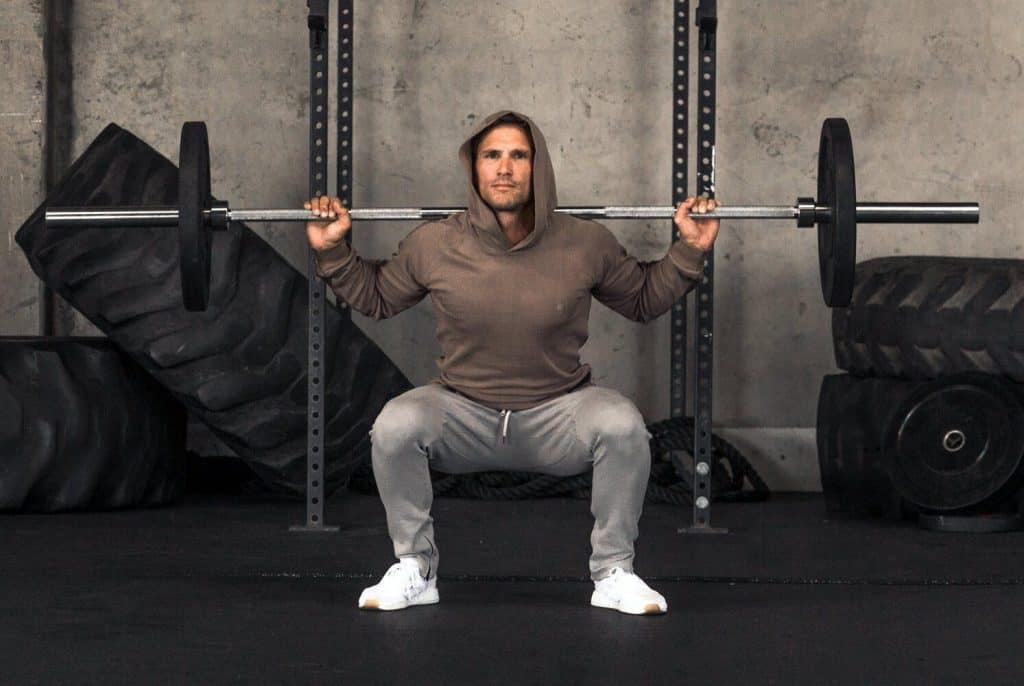
A squat is a strength training exercise working on glutes, hamstring, calves, and quad muscles and includes the hip, knee, and ankle joint. It is one of the best exercises for leg strength, building muscle in the lower body, and strengthening the core. Literally an entire encyclopedia can be written about the benefits of squatting and proper squat form. We will try to provide a simple squat guide that is simple and easy to digest.
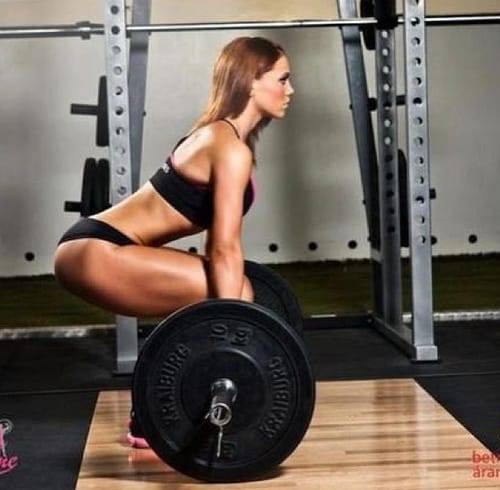
Do you ever wonder which muscles are used during deadlifts? Well, you need to start with understanding the muscles that get affected by the ‘King of all Exercises’ to know about their role in your workouts. There are many grips, foot positions, bars, and acceleration techniques that can be used to target different muscle groups in different ways. Let’s examine the techniques and learn which muscles are directly affected when deadlifting.
A major concern for all of us big-shot men is how we can bench press when we are training alone. Chest day has always been an important day in the weekly training regimen. It might fall on a Monday, a humpday, or even a Friday, but it is and has always been one of the most exalted workout days of the week for those training with a partner, buddies, or teams.
This is a day when we can walk in the gym with our chests puffed out.
This is a day when we can train those all-important show muscles… the pecs.
This is a day when we can perform the “manliest of exercises”… the bench press!
Let us examine some alternatives to bench pressing flat with a spotter.
(Of course for those of us who already know how to bench press, the bench press is really no big deal. There are about 7 other exercises I’d rather do than bench and at least 5 other goals that are more important to me than having a big chest or a big bench… but I digress… this article is about bench pressing after all.)
Update: I found a sweet How to Bench Press video by elite powerlifter Dave Tate today. The video appears about halfway through this post. If you want to bench press for max strength and “think” you have perfect form, you NEED to watch this video. Therefore I am republishing this article today for every Swole Bench Presser’s benefit.
I get plenty of questions in various comments throughout the website, but I also get comments and questions via the Project Swole Contact Form.
Generally, I address those questions through e-mail, but often I do not have the time to reply to each and every question personally.
From now on I want to take a more proactive approach to answer Your Health Questions by posting them separately in the blog. This way we can be sure that everyone benefits from the Q & A.
Kyle wrote:
“Hey Steve, OK me and a friend got into an argument about how to bench. I said you should touch your chest and he said you shouldn’t because it can injure your shoulder you should stop like 1 inch away from your chest? What is the right way to bench?”
Response:
So, you want to know how to bench press properly?
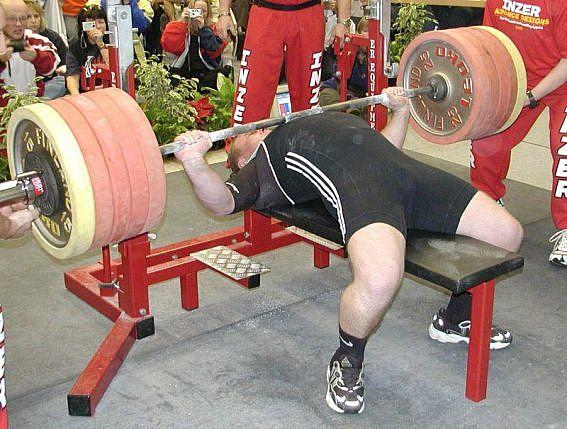
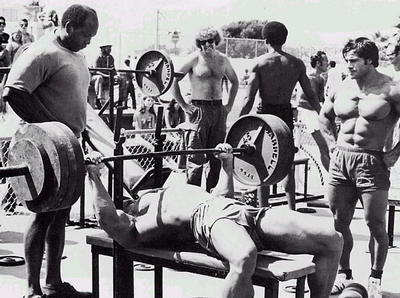
The bench press is the most popular exercise in the gym among men. It is the strongest upper body exercise for most people and has been a social gauge (and wrongly so, in my opinion) of male strength and fitness for more than a century. Fortunately, bench presses are the #1 best exercise for building upper body strength and size, and so should be included in nearly all strength training routines.
On the downside, benching is responsible for many weight lifting injuries, especially in the shoulder area. Hopefully, this post will educate you as to how you should be bench pressing to avoid injury.
How to Bench Press
A concept of a bench press is simple:
Start by laying down on a bench. Place your hands on the barbell with your palms facing away from you (this is a pronated grip). Unrack the barbell and hold it straight up over your upper chest. Bend at the elbows to lower the barbell until it touches your mid-chest. Press it back up over your upper chest. That’s a rep.
In reality, using proper form on the bench press can be difficult to master, as you will see when you read this post in its entirety.
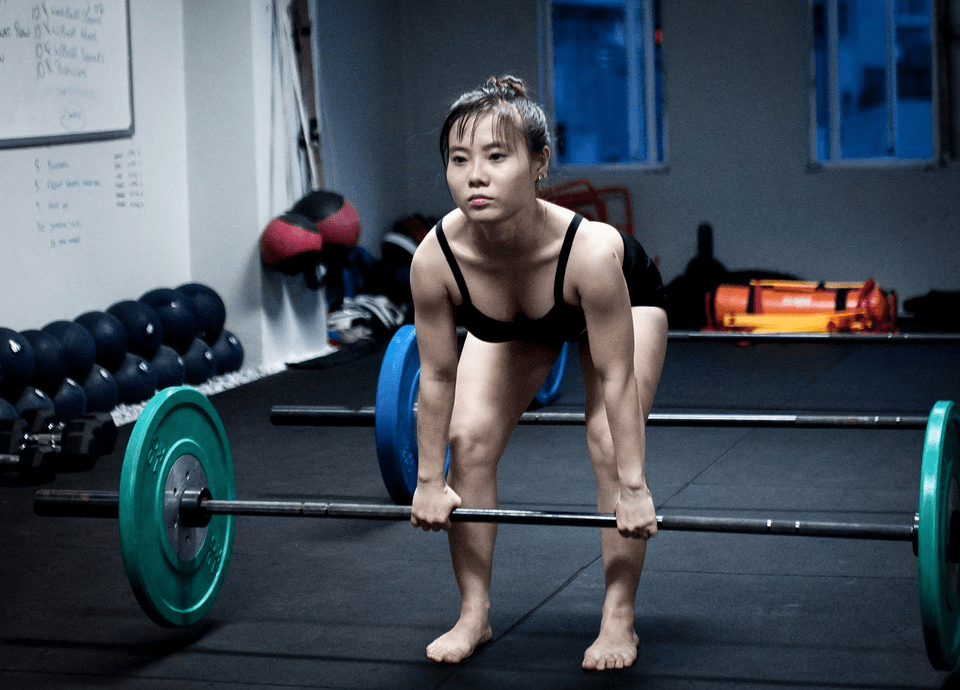
Along with the squat and bench press, the deadlift is one of the most common and useful strength training exercises. A deadlift requires muscles all over the body to perform. The arms, legs, core, and back are all strengthened by regularly performing increasingly heavy deadlifts. However, the deadlift can be of little benefit if one does not do it correctly, and without proper form, there is the risk of injury. You should always try to do what you can to improve your deadlift technique.
With these five tips, one should be able to perform deadlifts in a way that increases their strength with little chance of harm:
Too many times people throw themselves into an exercise routine with the expectation that if they heave as much weight as possible, enough times, they’re going to see the results they want. In reality, the result they’re likely to see is an injury that sets them back significantly in achieving their fitness goals.
Whether you’re just starting out or finessing your current exercise routine, it’s essential that you always take the time to ensure you’re practicing proper form. If you don’t, you are cheating yourself by lessening the positive effects of your workout and opening yourself up to serious injury. Aside from maintaining proper technique as you build strength and flexibility, you should also focus on the nutrition your body needs to function, recover, and grow.(more…)
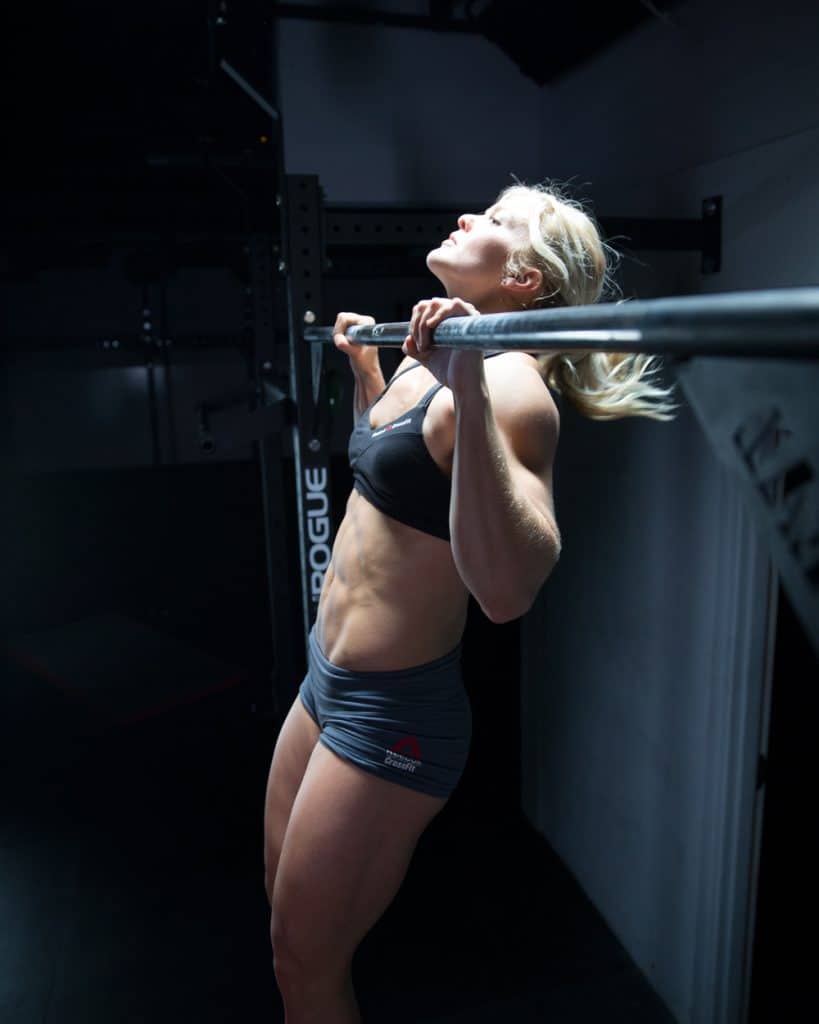
Strength training is a popular, effective and growing form of exercise which aims to use different apparatus in order to strengthen and refine your muscles. Often relying on body weight and muscle control, one of the benefits of strength training is that it teaches users to get to know how their bodies and muscles work and to focus on how different muscles work together to initiate movement. One of the best bodyweight grip strength exercises, and arguably one of the best back exercises is hanging.
As with any form of exercise, different moves and sets develop popularity, based on their perceived efficacy. A form of strength training called ‘hanging’ is one such exercise. Below we’ll take a look at what hanging is, and why it’s a good thing to integrate into your routine.
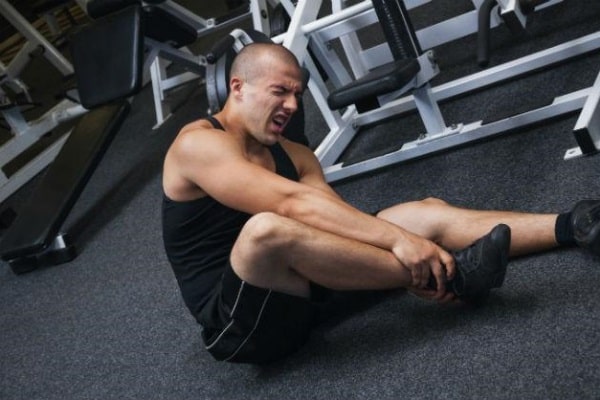
Bodybuilding is a great way to sculpt and tone muscles, but the strain that it places on the body is sometimes too much to bear. Injuries are not uncommon among bodybuilders, and lower back pain is one of the most common problems experienced by lifters everywhere.
If you’re experiencing lower back pain, you don’t have to stop your workout routine. However, you should remember these tips that will help you manage your back pain and heal quickly. Warming up, stretching properly, and maintaining strict formex will go a long way, but try these too: (more…)







 \
\

