A ketogenic diet, often known as a keto diet, is a low-carb and high-fat diet. It has been shown in several studies to be useful for weight loss and certain health concerns. The hardest part about it is knowing how to start a ketogenic diet with food, and nutritional and lifestyle changes.
A keto diet is very beneficial for shedding extra body fat while remaining hungry, as well as treating type 2 diabetes or metabolic syndromes according to researchers. The benefits of a keto diet include shedding extra body fat while remaining hungry, as well as treating type 2 diabetes or metabolic syndrome. The primary focus of the ketogenic diet is to restrict carbohydrates (carbs) in order to burn fat for fuel.
In this article, you’ll discover all you need to know about how to start a ketogenic diet, including safety concerns and nutritional efficiency. There is a great resource in the book, The Complete Ketogenic Diet for Beginners: Your Essential Guide to Living the Keto Lifestyle, so certainly once we examine this initial strategy, it could be worth your effort to check out the book.
You’ve finally decided that you want to take on the challenge to eat healthier. There are plenty of diets to try in 2022. Lots of research and experimenting with all different diet strategies means lots of different possibilities that can better suit your body and your lifestyle.
Keep in mind when we talk about ‘diet’ we are not necessarily talking about a temporary fad diet. Diet strategies such as plant-based, ketogenic, and paleo can be the basis of a dieting phase, but it is recommended to take what works for you to incorporate into your overall nutritional strategy and lifestyle habits.
Here’s a great list of a handful of the best diets to try in 2022 to kickstart a healthier lifestyle.
Eating immediately following a workout isn’t always the first thing on your mind, but it’s important to replenish fluids and at least some nutrients soon after working out. You certainly shouldn’t sit down to a big meal of post-workout foods, but a small to moderately-sized meal is essential to your body’s recovery process. Without sufficient replenishment, you can dip down into low energy, moodiness, and compromise muscle recovery.
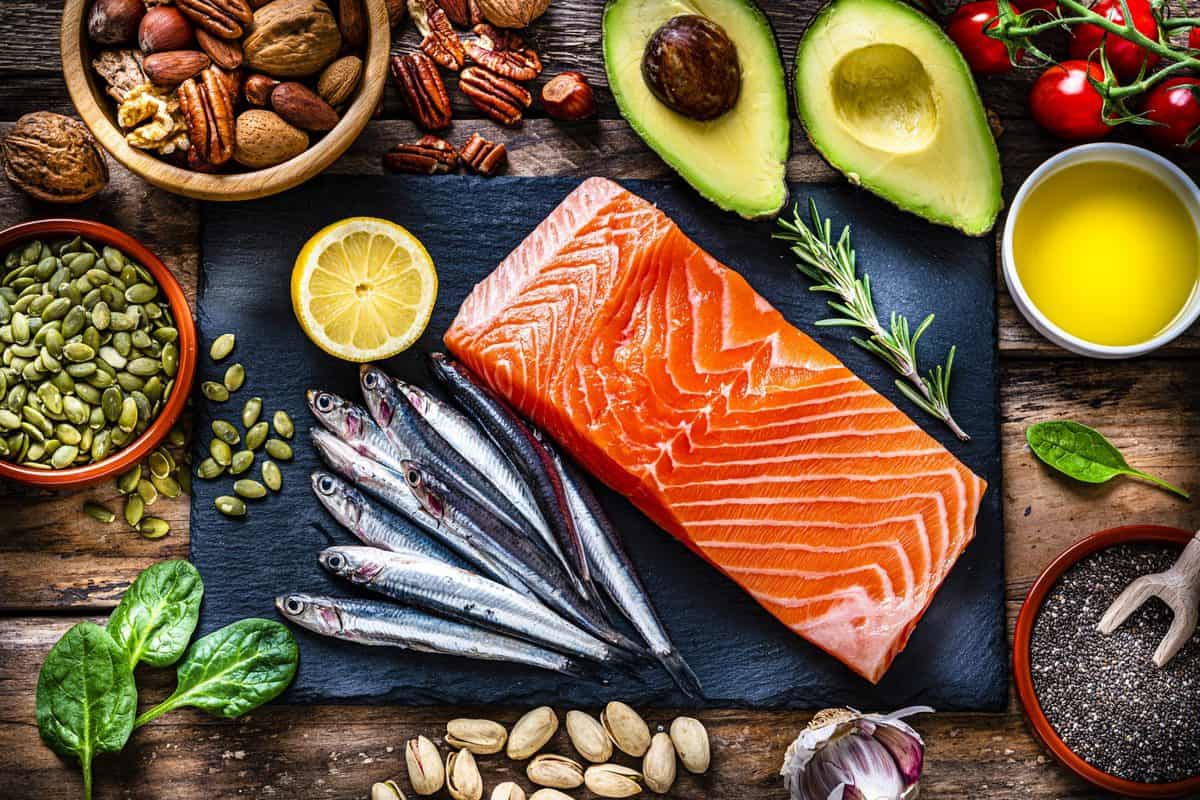
Almost all nutritious food has fat in it. Fats are used for a variety of purposes including transporting vital nutrients to cells, assisting in the digestion of certain foods, and providing us with energy in times of nutrient depletion. To be healthy you can’t, and shouldn’t, stay away from fat. Still, we find ourselves asking: how much fat should I eat in a day? What are the pros and cons of eating low-fat or fat-free? What kind of fat should I be eating most? Which foods provide healthy fats and which foods will kill me quickly?
The American Heart Association recommends limiting dietary fat to 30% of total calories. Take into consideration, however, if you are overweight, need to lower blood cholesterol, or have another medical concern, you may need less than the recommended 30%.
Let’s stop to consider all of the factors that go into determining how much fat we should eat.
Your workouts and meals are directly connected. What you eat and when you have it can impact the effectiveness of your exercise routine. Eating correctly based on your training is the best way to get the results you want to see. What we need to do is structure eating habits based on our sleep and training schedules.
Here are some tips to help you eat right to maximize the results of your workout sessions.
There are only 6 more days until Christmas and boy are we excited to dip into the egg nog!
Have you kept your fitness and nutrition in check this holiday season? Have you been able to stay slim this holiday or at least maintain your current progress?
Relax a Little
Hopefully, you have, so you can let your guard down a bit during Christmas or your main celebration day of choice. There’s no need to be a pig and eat ALL the fudge and cookies, but there’s also no need to avoid all desserts and gravies like the plague. (Have you finished all of your shopping and most of your wrapping?)
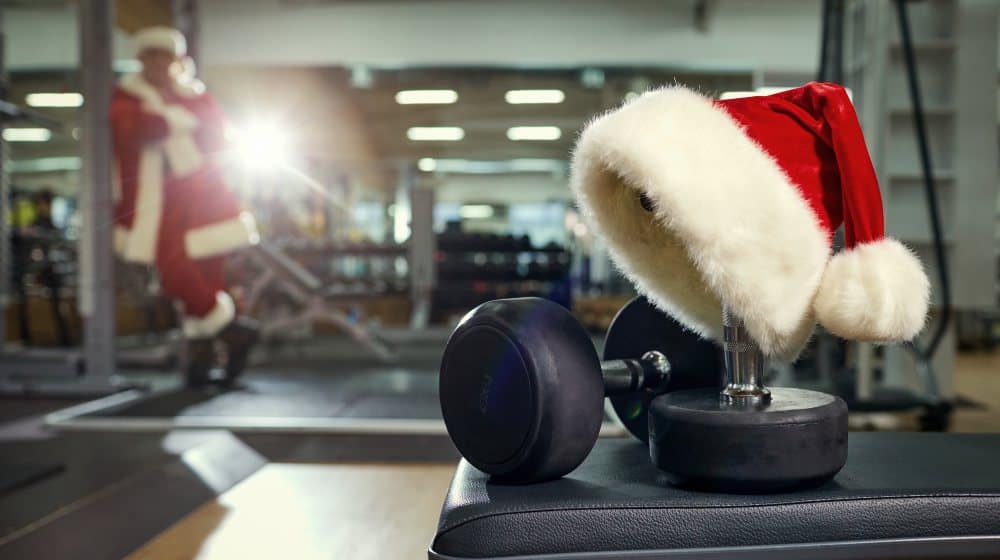
The holiday season is such a fun time of year. There are parties, decorations and so many reasons to enjoy life. But a lot of times, all the celebrations come with a cost. It can be easy to fall out of your fitness routine and healthy eating habits during the holidays. Here are some tips on how to stay active during the holidays.
These days bodybuilding supplements are as common as bottled water. All our retail and grocery stores sell them, GNC is usually just down the road, but what about the history of bodybuilding supplements? From whey powder to creatine and everything in between, the bodybuilding supplements industry has steadily been growing both in popularity and in the sheer number of products available.
But how did it ever get to be this way? At what point in human history did we equate the intake of supplemental foods with the construction of the perfect physique? Interestingly enough it started with a man named Eugen.
Nineteenth-Century Supplementation
Over a hundred years. That’s how far back you would have to travel back in time to find the first traces of what is now known as bodybuilding supplements, consumable goods that were shown to have a direct impact on developing muscle and physique in the user.
Regarded as the first modern bodybuilder, Eugen Sandow was a staunch advocate of the impacts that eating or drinking certain foods can have on muscle development. Earle Liederman, a friend of Sandow’s, drank beef juice and extracts to help him his muscles and body heal faster after rigorous exercise, inadvertently developing what some argue to be the first post-workout supplement.
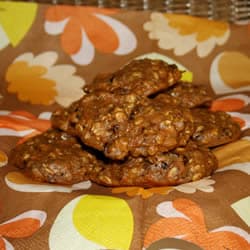
It’s high time to bust out a couple of new Halloween recipes since October is my favorite time of year and Halloween is my favorite holiday. These nice high-protein pumpkin cookies are perfect for breakfast, brunch, post-workout, or any time you might need a snack.
Recipe
Down below I mention a couple of ways you can make the recipe healthier or tastier; for example, swapping applesauce for oil and egg whites for eggs.
Generally, though, this is a pretty healthy recipe without changing anything.
The original recipe called for 1/2 cup of soy flour instead of protein powder, so if you find the protein powder ruins the recipe, you can back out and just use the soy flour. Of course, that will decrease the protein content in each cookie. 🙁
Cutting out sugar is one of the most important steps you can take in improving your nutrition and overall health. Excess hidden sugar intake can have an effect on several systems in the body resulting in high blood pressure, weight gain, inflammation, and diabetes.
The addictive nature of sugar can make cutting down or quitting feel very difficult. You may be thinking, “No big deal, I’m not big on cupcakes or cookies anyways.” Unfortunately, it’s not as simple as ditching dessert.
Added sugar is hidden in many processed foods, even some marketed as “healthy” or “natural.” Is sugar hiding in some of your favorite foods? Read on to find out.
Weight loss is a topic of serious debate these days, with opinions on every aspect of the topic all over the map. Should you go paleo or Mediterranean? What’s up with Keto? Are high-intensity workouts better than bodyweight programs? Is yoga really exercise? Big breakfast or no breakfast? Are carbs bad? Are fats good? To make matters more confusing, the answer to most of these questions is “It depends.”
The debate over whether snacking is a good weight loss strategy is no different. Here are a few things to take into consideration when deciding if snacks should play a part in your weight management plan.
Breakfast can be tough for anyone. Between jobs, school, and kids, getting everything ready for your day can leave you little time to figure out and make breakfast. When you’re trying to reach any kind of fitness goal – whether it be to lose weight, gain muscle, maintain gains, or anything else – choosing healthy breakfast food can be an important part of your health and fitness plan.
Therefore, it’s important to have some on-hand meal ideas for any type of fitness goal to make breakfast easy and painless. Use these ideas to help you figure out a plan for breakfast every day of the week, no matter what your health goals are.
To Make Optimal Gains, Never Neglect Post Workout Nutrition
Knowing what to eat after a workout is a big question mark for many active adults, even those who have been exercising for years. Over time you’ll no doubt figure out your own system of food consumption that helps you to stave off fatigue and other symptoms following a workout, but did you know that there are proven methods you might be missing out on?
If you think that there may be a better way to get nutrition and optimize your workouts by pairing them with an appropriate diet, here are 5 post-workout tips that could prove useful.
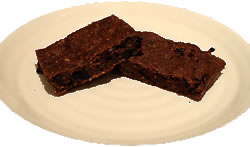
The desire to consume chocolate at times overcomes even the strongest of us. When that cocoa aroma penetrates your senses and the drool starts to form at the corners of your mouth, you feel that there is no place to run… no place to hide… from the chocolate. OK, so maybe this isn’t you, but even so, everyone can use a tasty protein bar at times. This recipe for Homemade Chocolate Protein Bars one is for all the chocolate lovers out there.
The Recipe
1 square of unsweetened baking chocolate 3 scoops (1 cup) chocolate protein powder of your choice, I prefer Biotest Metabolic Drive Super Protein Shake (aka “M”) 2 tbsp heavy cream 2 tbsp butter 3 packets or 1/8 cup of Splenda 2 tbsp sugar free or low sugar syrup, or maple syrup, or you can even just use water instead 1/2 cup unsweetened coconut 1 cup chopped nuts, I prefer either peanuts, pecans, or almonds
Melt the baking chocolate and the butter in the microwave for 1 minute, stirring until melted. Add Splenda and heavy cream, stirring until creamy. Next, add protein powder, nuts, and coconut, stirring until everything is coated evenly. Add syrup or water, mixing thoroughly. At this point, the mixture may become very stiff. You should knead it like dough until the mixture is uniform throughout. Finally, line a bread loaf pan with plastic wrap and press the mixture into the pan firmly and evenly. Chill until very firm. The recipe can be cut into 6 bars or servings.
Nutrition Information Approximately 170 calories from 5g carbs, 15g protein, and somewhere around 10g of fat per bar.
Try substituting dark chocolate instead of baking chocolate, for a richer darker flavor. Also, try adding all-natural peanut butter to give it an additional nutty flavor. Keep milk on hand during consumption.
This entry into our quarantine series focuses on everything we might be lacking in the kitchen while we’re locked down. The ongoing COVID-19 pandemic has led all of us into isolation. The visits to grocery stores and in turn resources for cooking have been minimized. This is the real testing time for your cooking skills; cooking healthy and nutritious meals with what is available can be quite a challenge.
If you feel like you need to seek online couples therapy following exposure to your partner’s cooking, this blog post might end up saving your relationship!
Many people are easily deluded that they can increase their muscles’ level by simply drinking whey protein without working out. Yep, the lure of protein is that strong. You would be more likely to find someone who enjoys exhausting him/herself reaching their goal. Everybody wants to have a perfect body, while only a few enjoy the idea of sweating in the gym.
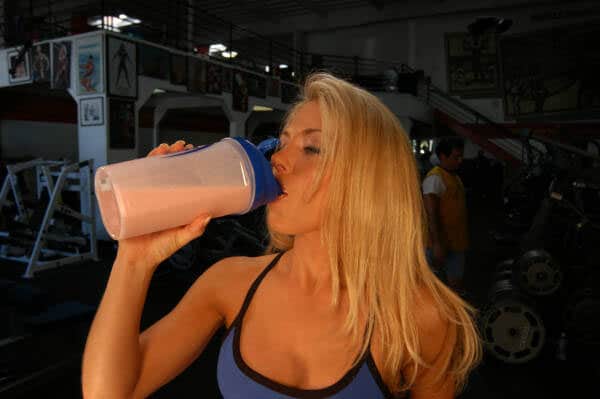
Protein shakes, on the other hand, are a convenient and affordable way to the desired biceps and triceps. But you might read a review that you stumbled upon on the internet, and it turns out that those shakes have a lot of downsides. So, let’s check out what happens when you drink protein shakes without sweating in the gym.
Whether you are a professional bodybuilder or simply a novice bodybuilding enthusiast with an interest in the sport, it is vital that you are feeding your body enough to make sure that you are correctly adding muscle mass. Here are some tips for how to make sure you are nutritionally benefitting from everything that you eat, and getting the correct sustenance before, during, and after your workouts.
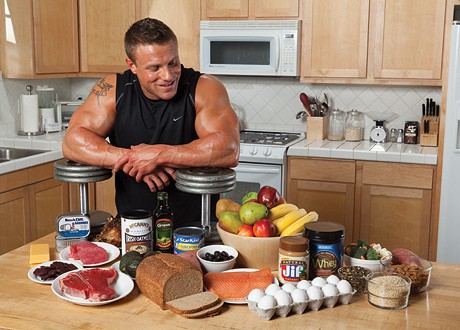
An athlete’s fridge and cabinets should be stocked full of nutritious, muscle building, healthy foods. The biggest problem with that is the fact that today’s economy does not allow most of us to spend as freely as we used to in order to eat healthily but it’s definitely easier when you budget with a spreadsheet template. It is much harder these days to spend $200 a week on bodybuilding food than it was 10 years ago. Besides, most of us want to squirrel away as much loot as possible so we can retire early.
Also, I don’t know about you, but I don’t want to spend an hour a day preparing food. I’m not trying to cook a chicken every day for lunch. I don’t have time to whip up a 7 veggie, 2 cheese omelet’s every morning. However, the reality is that we need lots of healthy foods to helps us build muscle and lose fat. That being said, let’s examine how we can eat properly while minimizing the grocery bill and food preparation time.
Here are 22 tips to help you to quickly eat healthy on a budget.
Barbeque parties are hit during summer, and even during spring when the sun is out. There are instances wherein smoked barbeque are served in these parties. But not everyone has the patience to sit through the entire process of smoking meat, even if the traditional form of barbeque is done by smoking. This is because the entire smoking process can take even up to twelve hours, wherein the meat is slowly cooked over low temperature, but if done correctly, the outcome is definitely worth “eat”.
The technique of serving perfectly smoked meat can be mastered through three “P”s: practice, perseverance, and patience. So if you want to try smoking meat, follow these tips:
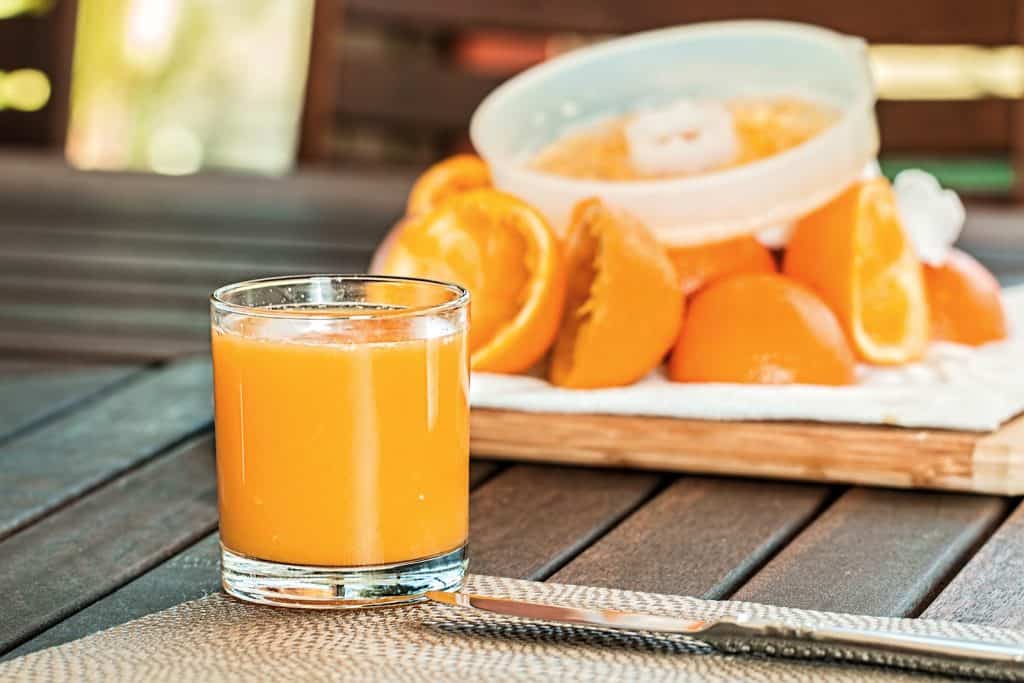
With so many options right now for beverages and drinks, we no longer know what is healthy and what can damage our body. Sodas and utterly huge servings of frappuccino or caramel macchiato can definitely bring us some unhealthy results, however, they were made to be delicious thus people still buy them.

















 \
\

